Upper Endoscopy (EGD)
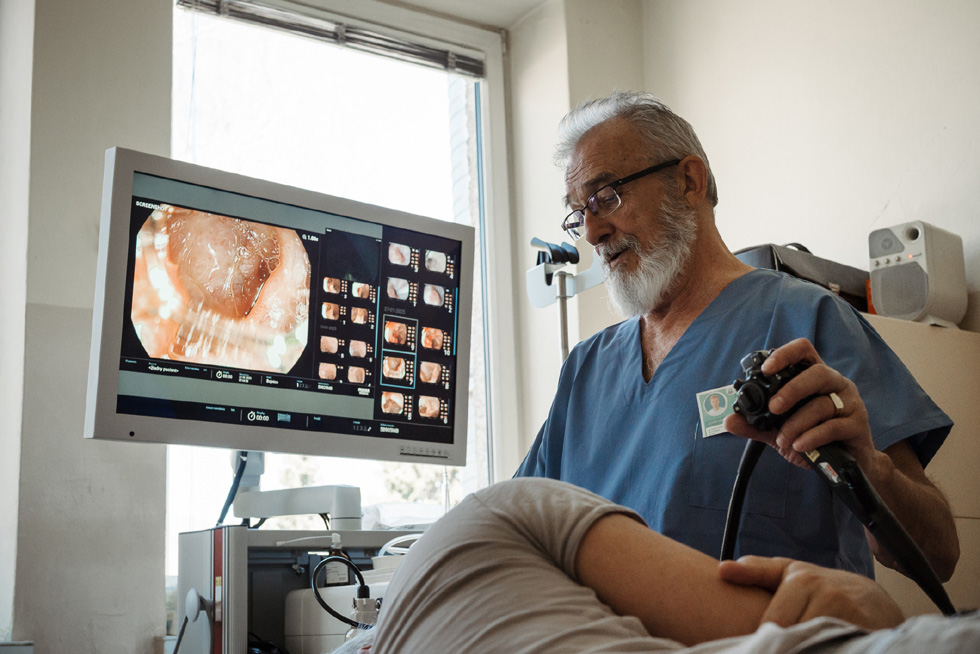
An upper endoscopy allows your doctor to examine the esophagus, stomach, and the beginning of the small intestine.
Symptoms Evaluated with Endoscopy
- Heartburn and GERD
- Difficulty swallowing
- Abdominal pain
- Nausea or vomiting
- Gastrointestinal bleeding
- Ulcers
- Unexplained weight loss
What Happens During the Procedure?
A thin flexible camera is gently passed through the mouth while you are comfortably sedated. The doctor examines the esophagus, stomach, and the beginning of the small intestine and is able to take biopsies. Most patients recover quickly and return home the same day.
Should I See a Gastroenterologist?
Early evaluation can help identify the cause of symptoms and guide the right treatment plan. Our team works closely with patients to develop individualized care plans aimed at improving comfort and digestive health. Call us today at 929-588-9800 for an appointment.
Esophageal Conditions FAQ
Understanding Esophageal Disorders
The esophagus is the muscular tube that carries food and liquids from the mouth to the stomach. Esophageal conditions can affect swallowing, digestion, and overall comfort. Our gastroenterology team specializes in diagnosing and treating a wide range of esophageal disorders.
What is the Esophagus?
The esophagus is a muscular tube that connects the throat to the stomach. It moves food and liquids into the stomach through coordinated muscle contractions called peristalsis.
What Are Common Esophageal Conditions?
Common esophageal conditions include:
- Acid reflux (GERD)
- Barrett’s esophagus
- Esophagitis
- Difficulty swallowing (dysphagia)
- Esophageal strictures
- Esophageal spasms
- Hiatal hernia
- Eosinophilic esophagitis (EoE)
When Should I See a Gastroenterologist for Esophageal Symptoms?
You should seek medical evaluation if you experience:
- Frequent heartburn
- Difficulty swallowing
- Chest discomfort after eating
- Chronic cough
- Hoarseness
- Food getting stuck
- Unexplained weight loss
- Persistent nausea or vomiting
Early diagnosis can help prevent complications and improve quality of life.
How Are Esophageal Conditions Diagnosed?
Your gastroenterologist may recommend:
- Upper endoscopy (EGD)
- Biopsy
- Esophageal pH testing
- Esophageal manometry
- Imaging studies
These tests help identify inflammation, narrowing, reflux, or abnormal esophageal movement.
How Are Esophageal Conditions Treated?
Treatment depends on the underlying condition and may include:
- Lifestyle and dietary changes
- Acid-reducing medications
- Allergy management
- Endoscopic procedures
- Dilation of narrowed areas
- Long-term monitoring
Our goal is to relieve symptoms, improve swallowing, and protect long-term esophageal health.
Schedule an Evaluation
If you are experiencing heartburn, swallowing difficulties, or other esophageal symptoms, our team is here to help with expert digestive care and personalized treatment options.
What is GERD?
GERD, or gastroesophageal reflux disease, occurs when stomach acid frequently flows backward into the esophagus. This can irritate the lining of the esophagus and cause uncomfortable symptoms.
Common GERD Symptoms
- Heartburn
- Regurgitation
- Chest discomfort
- Chronic cough
- Hoarseness
- Sore throat
- Difficulty swallowing
What Causes Heartburn/Reflux?
Heartburn occurs when stomach acid irritates the lining of the esophagus.
Common triggers include:
- Spicy foods
- Large meals
- Caffeine
- Alcohol
- Smoking
- Obesity
- Lying down after eating
Frequent heartburn may be a sign of GERD.
Common Lifestyle Recommendations for Heartburn/Reflux
Patients with reflux symptoms may benefit from:
- Avoiding late-night meals
- Elevating the head of the bed
- Limiting trigger foods
- Maintaining a healthy weight
- Avoiding smoking
- Eating smaller meals
What is Barrett’s Esophagus?
Barrett’s esophagus is a condition in which the lining of the lower esophagus changes due to long-term acid reflux exposure.
Although Barrett’s esophagus itself may not cause symptoms, it can increase the risk of esophageal cancer in some patients. Regular monitoring with endoscopy may be recommended.
What is Esophagitis?
Esophagitis is inflammation of the esophagus. It may be caused by:
- Acid reflux
- Infections
- Certain medications
- Allergies
- Eosinophilic esophagitis
Symptoms can include pain with swallowing, heartburn, and chest discomfort.
What is Dysphagia?
Dysphagia is the medical term for difficulty swallowing. Some patients may feel that food becomes stuck in the throat or chest.
Difficulty swallowing can result from:
- Acid reflux damage
- Esophageal narrowing (stricture)
- Motility disorders
- Inflammation
- Neurologic conditions
Persistent swallowing difficulties should always be medically evaluated.
What is Eosinophilic Esophagitis (EoE)?
Eosinophilic esophagitis is a chronic inflammatory condition often related to allergies or immune system reactions.
Symptoms may include:
- Difficulty swallowing
- Food getting stuck
- Chest discomfort
- Reflux symptoms
- Feeding difficulties in children
Diagnosis usually requires endoscopy and biopsy.
What is a Hiatal Hernia?
A hiatal hernia occurs when part of the stomach moves upward through the diaphragm into the chest cavity. Hiatal hernias are commonly associated with acid reflux symptoms.
Some hiatal hernias cause no symptoms, while others may contribute to:
- Heartburn
- Regurgitation
- Chest discomfort
- Difficulty swallowing
[Request an Appointment]
