Category: Uncategorized
-
H. pylori
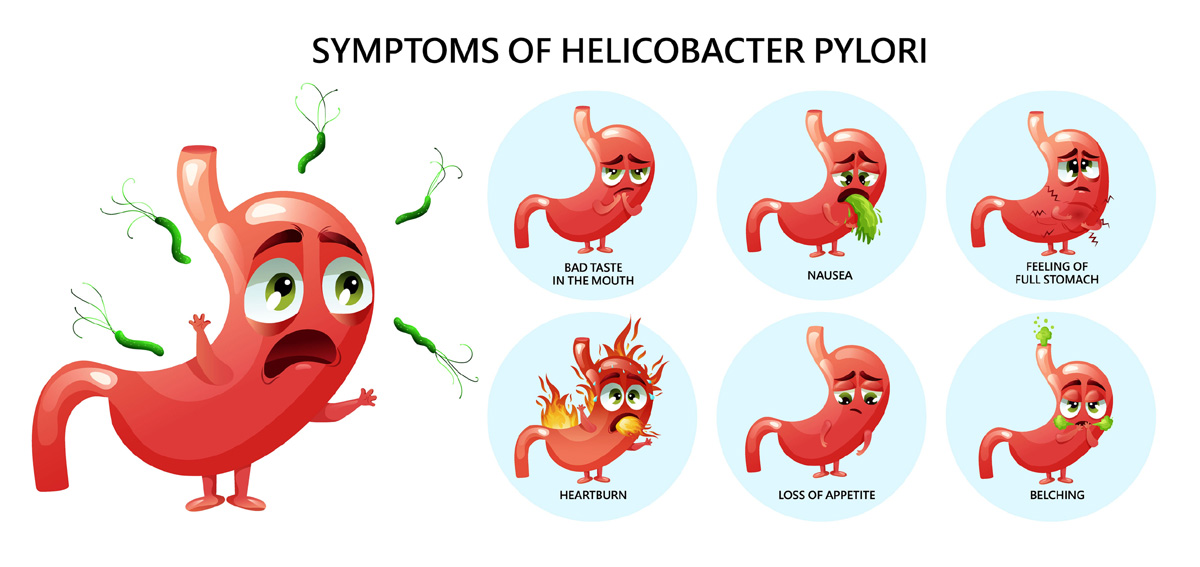
What is H. pylori? Helicobacter pylori (H. pylori) is a common type of bacteria that infects the lining of the stomach. Many people with H. pylori may not have symptoms, but in some cases the infection can lead to inflammation of the stomach lining (gastritis), peptic ulcers, and chronic digestive symptoms. H. pylori is one…
-

Gastroenterology
What is Gastroenterology? Gastroenterology is the medical specialty focused on the digestive system and related organs. Gastroenterologists diagnose and treat conditions affecting the esophagus, stomach, intestines, colon, liver, pancreas, and gallbladder. Common conditions treated include: What is Hepatology? Hepatology is a branch of gastroenterology that focuses on diseases of the liver, gallbladder, bile ducts, and…
-

Gastritis
What is Gastritis? Gastritis is inflammation of the stomach lining. It can develop suddenly or gradually over time. Causes of Gastritis Symptoms of Gastritis Should I See a Gastroenterologist? Early evaluation can help identify the cause of symptoms and guide the right treatment plan. Our team works closely with patients to develop individualized care plans…
-

Functional Dyspepsia – Also known as Indigestion
What is Functional Dyspepsia – Also known as Indigestion Functional dyspepsia is a common digestive condition that causes persistent or recurring upper abdominal discomfort without an identifiable structural problem seen on routine testing such as endoscopy or imaging studies. It is sometimes referred to as “indigestion or nervous stomach.” Although no visible abnormality may be…
-

Esophagitis
What is Esophagitis? Esophagitis is inflammation of the esophagus. It may be caused by: What are the Symptoms? The inflammation can make the lining of the esophagus raw and sensitive, resulting in: How is it diagnosed? Diagnosis often involves an upper endoscopy, where a small thin flexible camera is gently passed through the mouth while…
-
Stomach Conditions FAQ
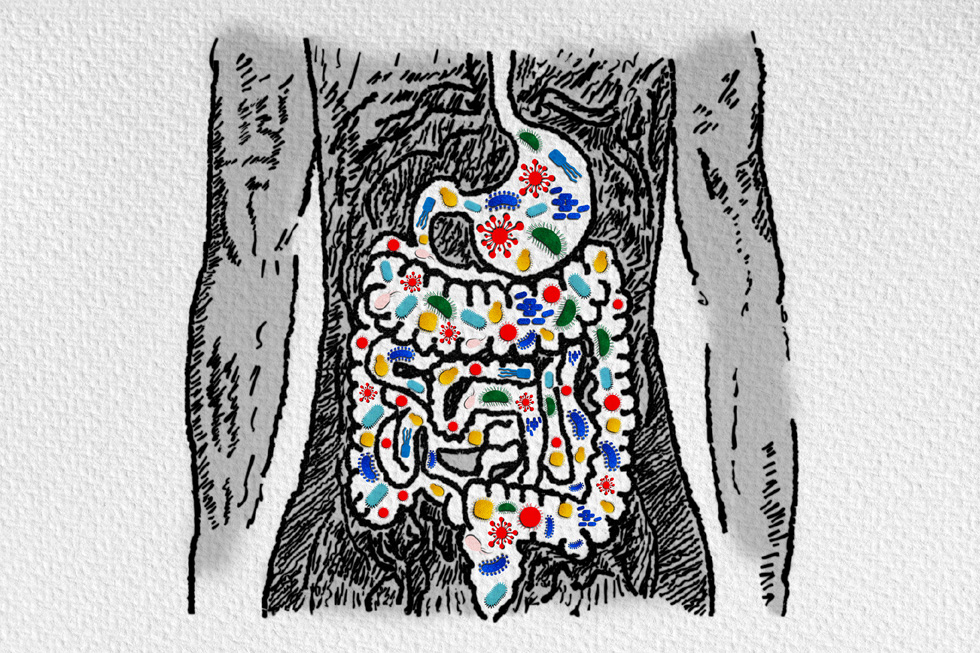
Understanding Stomach Disorders The stomach plays an important role in digestion by breaking down food and helping absorb nutrients. Stomach conditions can cause symptoms such as abdominal pain, nausea, bloating, heartburn, and indigestion. Our gastroenterology team provides comprehensive evaluation and treatment for a wide range of stomach disorders. What Are Common Stomach Conditions? Common stomach…
-
Esophageal Conditions
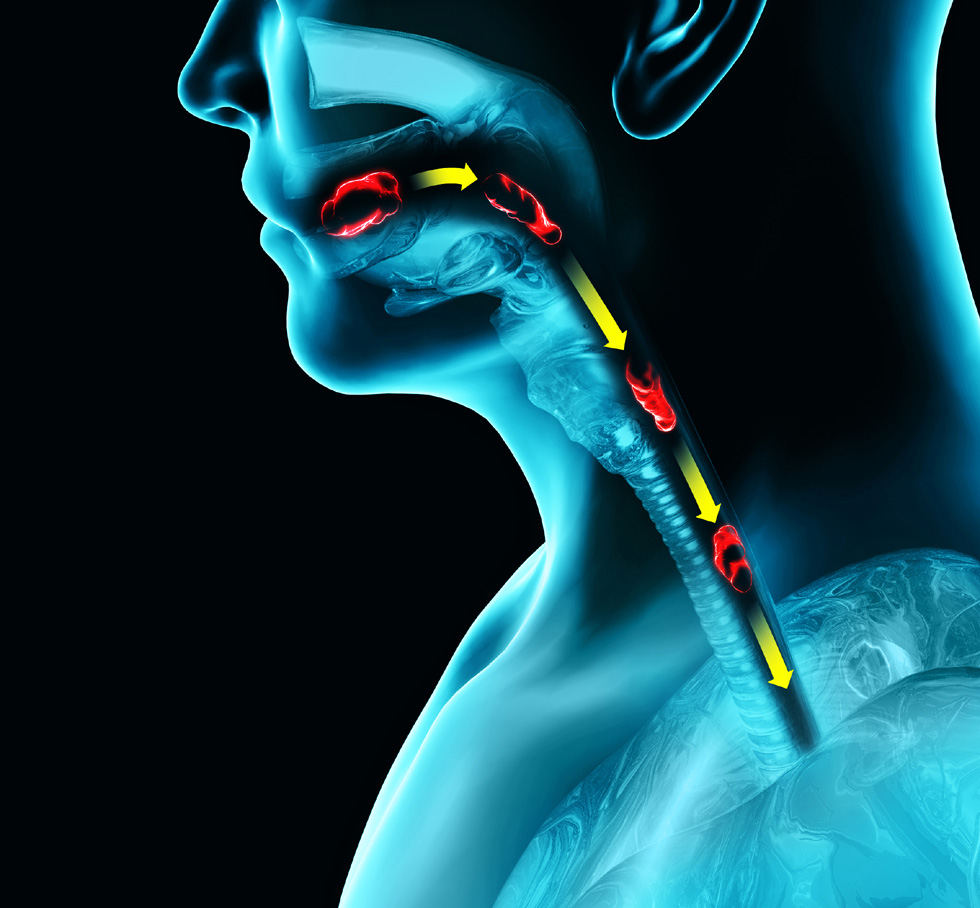
Understanding Esophageal Disorders The esophagus is the muscular tube that carries food and liquids from the mouth to the stomach. Esophageal conditions can affect swallowing, digestion, and overall comfort. Our gastroenterology team specializes in diagnosing and treating a wide range of esophageal disorders. What is the Esophagus? The esophagus is a muscular tube that connects…
-
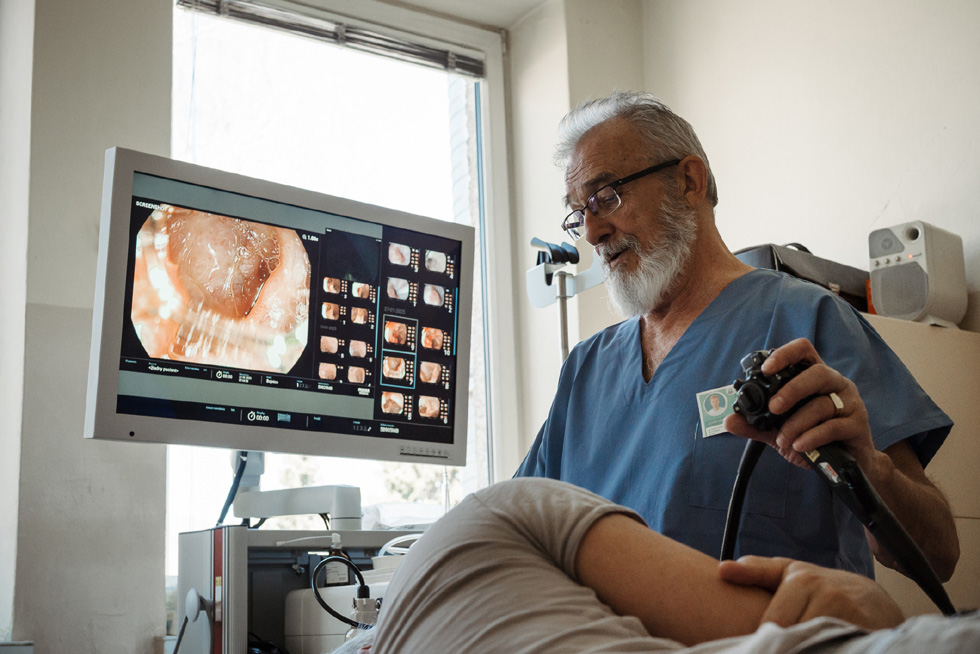
Endoscopy
Upper Endoscopy (EGD) An upper endoscopy allows your doctor to examine the esophagus, stomach, and the beginning of the small intestine. Symptoms Evaluated with Endoscopy What Happens During the Procedure? A thin flexible camera is gently passed through the mouth while you are comfortably sedated. The doctor examines the esophagus, stomach, and the beginning of…
-

Colonoscopy
What is a Colonoscopy? A colonoscopy is a procedure used to examine the inside of the colon and rectum. A thin, flexible camera is used to look for abnormalities such as polyps, inflammation, or signs of colon cancer. A colonoscopy is one of the most effective tools for preventing and detecting colon cancer. Reasons You…