What is H. pylori?
Helicobacter pylori (H. pylori) is a common type of bacteria that infects the lining of the stomach. Many people with H. pylori may not have symptoms, but in some cases the infection can lead to inflammation of the stomach lining (gastritis), peptic ulcers, and chronic digestive symptoms.
H. pylori is one of the most common causes of stomach ulcers and long-term stomach irritation. The infection is believed to spread through contaminated food, water, or close personal contact.
Symptoms of H. pylori Infection
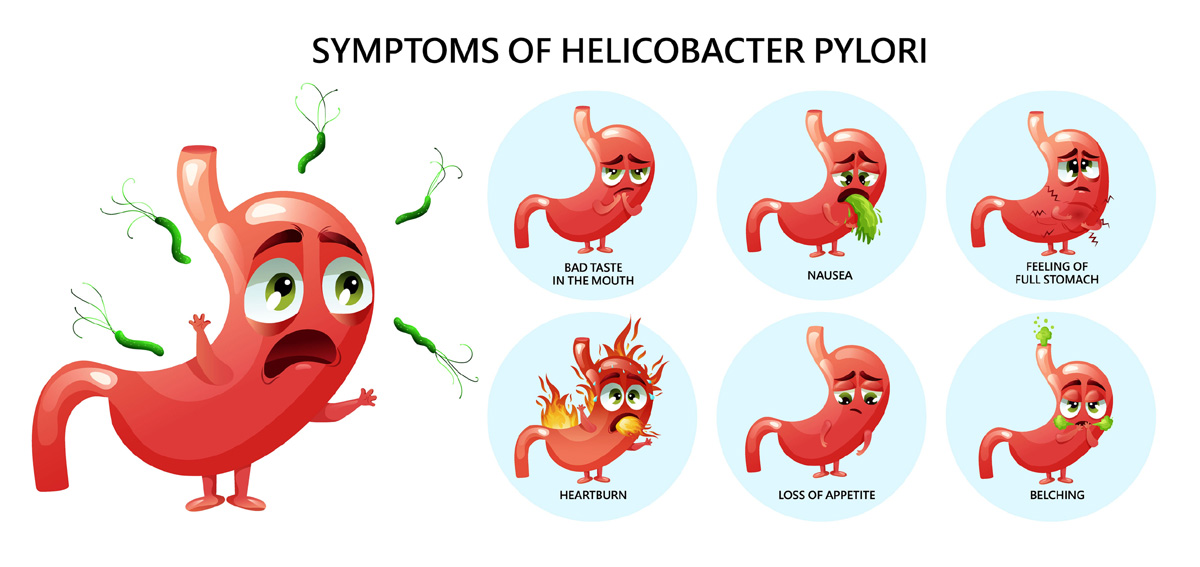
Some patients may experience:
- Burning or aching stomach pain
- Bloating
- Nausea
- Frequent burping
- Loss of appetite
- Indigestion
- Feeling full quickly
In more severe cases, H. pylori may contribute to:
- Stomach ulcers
- Bleeding ulcers
- Black stools
- Vomiting blood
- Iron deficiency anemia
How is H. pylori Diagnosed?
Your gastroenterologist may recommend:
- Breath testing
- Stool testing
- Blood testing
- Upper endoscopy with biopsy
Testing helps confirm the presence of the bacteria and determine the best treatment approach.
How is H. pylori Treated?
H. pylori is typically treated with:
- Antibiotics to eliminate the bacteria
- Acid-reducing medications to allow the stomach lining to heal
It is important to complete the full course of treatment exactly as prescribed.
Why is Treatment Important?
Untreated H. pylori infection can increase the risk of:
- Chronic gastritis
- Peptic ulcer disease
- Ulcer complications such as bleeding
- Certain types of stomach cancer in some patients
Early diagnosis and treatment can help relieve symptoms and protect long-term stomach health.
Should I See a Gastroenterologist?
Early evaluation can help identify the cause of symptoms and guide the right treatment plan. Our team works closely with patients to develop individualized care plans aimed at improving comfort and digestive health. Call us today at 929-588-9800 for an appointment.
